Athens Sleep and Wellness Center

Author name: Subodh K. Agrawal, MD, FACC

Medical Director, Medical Office Force LLC | Athens, Georgia Alumnus: SMS Medical College, Emory University, University of Alabama at Birmingham

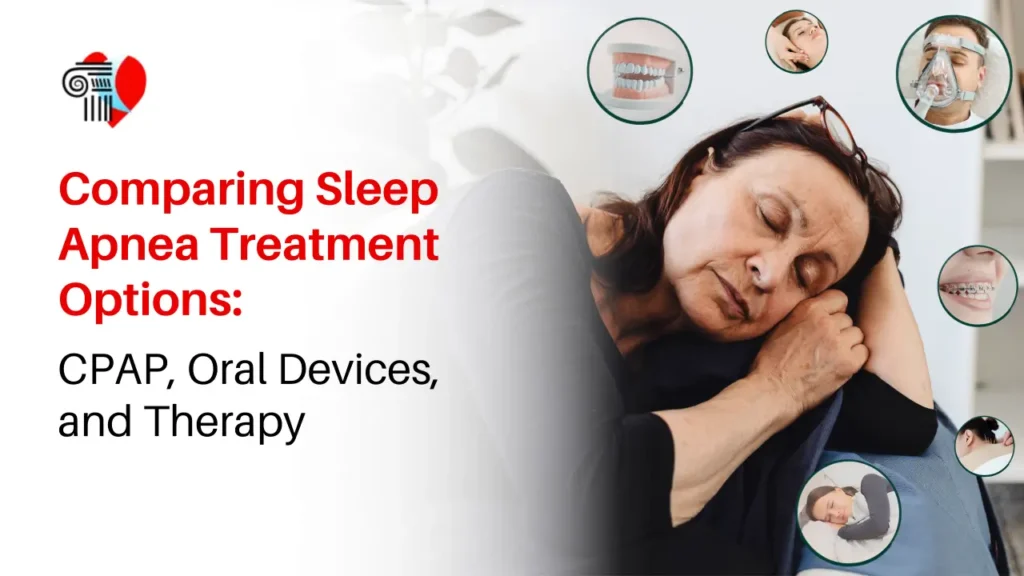
Comparing Sleep Apnea Treatment Options: CPAP, Oral Devices, and Therapy

Comparing Sleep Apnea Treatment Options: CPAP, Oral Devices, and Therapy Sleep apnea is not just a snore. It is a medical condition that interrupts the breathing process while sleeping and may compromise heart efficiency, brain activity, and general well-being. Patients at Athens Sleep and Wellness Center frequently ask this question: What treatment is best for me?  This answer depends on the degree of severity, lifestyle, and preferences regarding comfort as well as long-term goals. Knowing CPAP therapy, an oral device, and other treatment options will allow you to choose wisely among them. What Is Sleep Apnea Sleep apnea happens when your breathing stops and starts a lot while you are sleeping. The most usual kind is obstructive sleep apnea, which means that your throat muscles relax and block the airway. Some Common signs include: Very Loud snoring Tiredness during day Morning headaches Difficulty concentrating Broken sleep If it doesn’t get treated, sleep apnea can make you more likely to have high blood pressure or heart disease as well as other metabolic disorders. CPAP Therapy: The Standard Treatment Continuous Positive Airway Pressure, commonly known as CPAP, is considered the most effective and widely used treatment for moderate to severe sleep apnea. How it works A CPAP machine sends a constant stream of air via a mask to keep the airway open during sleep. Benefits Highly effective in preventing airway collapse Improves sleep quality quickly Reduces risk of complications Limitations Some patients find the mask uncomfortable Requires consistent nightly use May take time to adjust For many patients, CPAP remains the gold standard because of its reliability and effectiveness. Oral Appliances: A Comfortable Alternative Oral devices are custom fitted appliances worn during sleep. They work by repositioning the lower jaw to keep the airway open. Who it helps Patients with mild to moderate sleep apnea Individuals who cannot tolerate CPAP Benefits Small and easy to use No machine or noise More travel friendly Limitations May not be effective for severe cases Requires proper fitting and follow up Oral appliances are often preferred by patients looking for a simpler and more comfortable solution. Behavioral and Lifestyle Therapy In many cases, lifestyle changes play an important role in managing sleep apnea. Common approaches include Weight management Sleep position therapy Reducing alcohol intake Improving sleep hygiene These approaches may not replace medical treatment in moderate to severe cases, but they can significantly improve outcomes when combined with other therapies. Combination Therapy: A Personalized Approach Not every patient responds the same way to a single treatment. At Athens Sleep and Wellness Center, care is often tailored using a combination of therapies. For example: CPAP with lifestyle changes Oral appliance with positional therapy Adjusted treatment plans based on patient comfort and response This personalized approach helps improve compliance and long term success. How to Choose the Right Treatment The right treatment depends on several factors: Severity of sleep apnea Patient comfort and preference Medical history Ability to maintain long term use A proper evaluation and sleep study are essential before deciding on treatment.   Quick Comparison: Sleep Apnea Treatment Options Swipe left to see full comparison → Feature CPAP Therapy Oral Appliance Lifestyle Therapy Best For Moderate to Severe Apnea Mild to Moderate Apnea Mild Cases / Support Effectiveness Extremely High (Gold Standard) High (with proper fit) Variable / Supplemental Comfort Level Requires adjustment to mask High (like a mouthguard) Non-invasive Portability Requires travel case/power Pocket-sized & silent No equipment needed Main Benefit Immediate sleep improvement No noise or hoses Improves overall health Limitation Compliance can be difficult Not for severe cases Hard to maintain alone Conclusion Sleep apnea is a treatable disease, but it is important to choose the best treatment for you so that you can be healthy in the long run. Though many patients find CPAP to be the most effective treatment, oral devices and lifestyle therapies also serve as good alternatives.  The objective is not merely to manage sleep apnea but rather to discover a solution that integrates seamlessly into your lifestyle and promotes adherence.  If you are showing symptoms or have already been diagnosed with sleep apnea, expert help can guide you to take the next step toward improved health through better sleep. Frequently Asked Questions Which sleep apnea treatment is most effective CPAP therapy is considered the most effective treatment, especially for moderate to severe sleep apnea. Are oral appliances as effective as CPAP Oral appliances can be effective for mild to moderate cases, but may not work as well for severe sleep apnea. Can lifestyle changes cure sleep apnea Lifestyle changes can improve symptoms, especially in mild cases, but are often used alongside medical treatment. What if I cannot tolerate CPAP If CPAP is uncomfortable, alternatives like oral appliances or combination therapy can be considered. Works cited CPAP Therapy: The Clinical Gold Standard Continuous Positive Airway Pressure, commonly known as CPAP, is recognized by the National Institutes of Health (NIH) as the most effective treatment for moderate to severe obstructive sleep apnea. By delivering a constant stream of air through a mask, it prevents the airway from collapsing—a primary cause of nocturnal oxygen desaturation. While it remains the “gold standard” for its reliability, we focus on helping patients at Athens Sleep and Wellness Center navigate the initial adjustment period to ensure long-term success. Oral Appliances: A Comfortable, Proven Alternative For patients with mild to moderate sleep apnea, or those who struggle with CPAP compliance, custom-fitted oral appliances offer a highly effective solution. According to clinical guidelines from the American Academy of Sleep Medicine (AASM), these devices work by repositioning the lower jaw to maintain an open airway. Research published in the Journal of Clinical Sleep Medicine suggests that while CPAP provides higher pressure support, oral appliances often see better “real-world” results due to significantly higher patient comfort and consistent nightly use.

Comparing Sleep Apnea Treatment Options: CPAP, Oral Devices, and Therapy Read More »
How Healing Your Sleep Can Save Your Heart and Protect Your Mind

How Healing Your Sleep Can Save Your Heart and Protect Your Mind Introduction Welcome to Athens Heart Center and Specialty Clinics. With more than 30 years of medical experience and advanced fellowship training from Emory University, my approach to patient care in Athens, GA has always been deeply integrated. As a physician certified in both cardiovascular disease and sleep medicine, I do not see sleep as a luxury or a lifestyle choice. I see it as a core part of human physiology. Every day at our clinic on Prince Avenue, I see a direct and powerful connection between how you sleep at night and how your heart functions during the day. When sleep is disrupted, both your heart and brain begin to suffer. The Impact of Untreated Chronic Insomnia Chronic insomnia is not simply an inconvenience. It represents a state of ongoing physiological stress. When it is left untreated, it disrupts the hypothalamic pituitary adrenal axis, increases activity in the sympathetic nervous system, and triggers widespread inflammation in the body. This constant state of stress increases the risk of high blood pressure, coronary heart disease, and heart failure. Learn more about how insomnia is diagnosed and treated: https://www.ahcsleepcenter.com/insomnia/ The effects are not limited to the heart. The brain is equally affected. Persistent insomnia with reduced sleep has been linked to faster cognitive decline, similar to adding several extra years of aging. It is also associated with increased amyloid buildup and damage to white matter in the brain. At Athens Heart Center, our goal is not just to improve sleep, but to improve your overall health span. We identify the specific type of insomnia you are experiencing and provide targeted evaluation and treatment in one place. Advanced Therapies: SleepioRx and Non Pharmacological Care Our approach begins with non medication based treatments whenever possible. One of the key tools we use is SleepioRx, a prescription digital therapeutic that delivers cognitive behavioral therapy for insomnia. This program works by retraining your brain and sleep patterns in a structured and personalized way. It has been shown to improve sleep outcomes while also reducing overall healthcare costs, without the need for medication. Pharmacological Management and Safer Modern Options While digital therapies are often effective, medication can still be an important part of treatment for some patients. The choice of medication plays a critical role in both sleep quality and long term safety. For many years, treatment relied on medications such as benzodiazepines and non benzodiazepine drugs like zolpidem or eszopiclone. These medications act by suppressing activity across the central nervous system, creating a sedative effect. Patients with conditions like sleep apnea should be especially cautious when using sedative medications:https://www.ahcsleepcenter.com/sleep-apnea/ Risks of Older Sedative Medications Long term use of these medications carries significant risks. Research shows a strong association with cardiovascular disease, including heart failure and rhythm disorders. From a neurological perspective, these medications interfere with natural sleep cycles. This can lead to daytime drowsiness, memory issues, and increased risk of falls or fractures, especially in older adults. They also carry a high risk of tolerance and physical dependence, meaning higher doses may be needed over time to achieve the same effect. The Modern Alternative: DORA Medications A newer and safer approach involves medications known as dual orexin receptor antagonists. These include daridorexant, lemborexant, and suvorexant. Instead of forcing the brain into sedation, these medications work by reducing wake signals in the brain. This allows the body to fall asleep in a more natural way. Clinical evidence shows that these medications preserve healthy sleep patterns and do not lead to dependence or rebound insomnia after stopping treatment. They are also considered safer for patients with heart and respiratory conditions, including those with disorders like narcolepsy and hypersomnia:https://www.ahcsleepcenter.com/narcolepsy/https://www.ahcsleepcenter.com/idiopathic-hypersomnia/ How to Safely Stop Older Sleep Medications If you are currently using older sleep medications, it is important not to stop them suddenly. Abrupt discontinuation can lead to serious withdrawal symptoms such as seizures, confusion, and severe anxiety. A safe approach involves gradual dose reduction under medical supervision. Typically, doses are reduced slowly over several weeks to minimize withdrawal effects. At our clinic, we guide patients through this process while introducing safer treatment options. This helps maintain sleep quality while reducing dependence on older medications. The 12 Minute Sleep and Heart Check Ask yourself the following questions. If you answer yes to two or more, it may be time to seek a professional evaluation. Do you take more than 30 minutes to fall asleep or wake frequently during the night   Have these sleep issues continued for at least three months   Do you feel tired, irritable, or mentally foggy during the day   Do you have high blood pressure, heart concerns, or notice palpitations when exhausted   Do you rely on sleep aids, alcohol, or prescription medications to fall asleep If you experience unusual nighttime behaviors, it may be related to parasomnias such as sleepwalking:👉 https://www.ahcsleepcenter.com/parasomnias-sleep-walking/ Frequently Asked Questions What qualifies as chronic insomnia Chronic insomnia is a medical condition defined by difficulty falling or staying asleep for at least three months, occurring multiple times per week, and affecting daily functioning. How does poor sleep affect the heart Healthy sleep allows blood pressure to drop naturally at night. Insomnia prevents this, placing continuous stress on the cardiovascular system and increasing inflammation. Can insomnia affect brain health Yes. Chronic insomnia is associated with faster cognitive decline and increased buildup of proteins linked to neurodegenerative conditions. Are over the counter sleep aids safe Most over the counter options rely on antihistamines. These can cause next day drowsiness and do not address the underlying cause of insomnia. What is SleepioRx SleepioRx is a prescription based digital therapy that delivers cognitive behavioral therapy for insomnia through a structured online program. What are the safest medication options today Modern medications such as dual orexin receptor antagonists support natural sleep by reducing wake signals in the brain, without causing dependence. Is it possible to reverse the effects of insomnia Yes. With proper diagnosis

How Healing Your Sleep Can Save Your Heart and Protect Your Mind Read More »

Common Sleep Disorders: How Athens Sleep and Wellness Center Can Help

Common Sleep Disorders: How Athens Sleep and Wellness Center Can Help Adequate sleep is an important part of keeping your physical health, emotional balance, and quality of life on track. For too many people, quality sleep is out of reach. At the Athens Sleep and Wellness Center, we understand how deeply sleep affects everything from your mood and concentration to your long-term health. Our mission is to help you identify what’s interfering with your sleep and guide you toward lasting, effective solutions with compassionate, expert care. Why Sleep Health Matters Sleep is the time when the body heals, recharges, and regulates different vital systems in the body, like the heart, metabolism, and immune function. If sleep is poor or disrupted, you may notice irritability, poor concentration, headaches, or persistent fatigue. Untreated sleep problems can raise the risk for conditions such as high blood pressure, diabetes, and depression. Loud snoring, restless nights, or excessive daytime tiredness are some of the symptoms that quite a few people just ignore, considering them part of life. These are the symptoms of some underlying sleep disorder. Common Sleep Disorders We Treat 1. Sleep Apnea: When Breathing Pauses During Sleep Sleep apnea is a condition in which one’s airway is blocked or collapses during sleep, resulting in repeated pauses in breathing. This can be identified by loud snoring, choking, or restlessness during sleep. Many people with sleep apnea wake up feeling unrefreshed, no matter how long they sleep. Treatment at Athens Sleep and Wellness Center: CPAP Therapy: Therapy done with the help of machine made with partnership with Apria Oral Appliances: Special devices that can improve airflow, especially in mild to moderate cases. Lifestyle Recommendations: Guidance on weight management and sleeping positions that support easier breathing. Regular Monitoring: Ongoing follow-ups help ensure therapy remains effective and comfortable. Treating sleep apnea not only reduces fatigue but also lowers long-term risks related to heart strain and blood pressure. 2. Narcolepsy: Managing Sudden and Excessive Sleepiness Narcolepsy is a neurological condition identified by chronic sleep attacks and overwhelming daytime tiredness. This occurs at any moment, depending on the situation, and affecting concentration, mood, and safety. Treatment Approach:Our clinic provides individualized care to help regulate sleep patterns The goal is to help patients lead fuller, more active lives with better control over their sleep-wake cycles. 3. Idiopathic Hypersomnia: Persistent Fatigue Despite Full Sleep Idiopathic hypersomnia causes excessive sleepiness irrespective of adequate night’s rest. Patients often describe feelings of drowsiness and lack of concentration for much of the day, making daily tasks harder to manage. Treatment at Athens Sleep and Wellness Center: Medications: Carefully prescribed options to promote wakefulness and improve energy. Sleep Habit Guidance: Recommendations to strengthen bedtime routines and improve overall rest quality. Ongoing Support: Regular visits to evaluate progress and make necessary treatment adjustments. Effective management helps maintain energy levels and allows patients to be more productive and alert. 4. Insomnia: When Rest Feels Out of Reach Among the most common sleep disorders, insomnia is a condition in which there is difficulty falling asleep or maintaining sleep or both, with early morning awakening. Insomnia often results in exhaustion and irritability, poor performance at work, and emotional instability. Treatment Approach:At our clinic, we design individualized plans that focus on addressing the causes of insomnia, whether behavioral, environmental, or medical. With consistent guidance, patients often experience deeper, more restorative sleep and improved daily functioning. 5. Parasomnias and Sleepwalking: Unusual Behaviors During Sleep Parasomnias are sleep disorders that are identified by unusual movements or other behaviors during sleep. Examples of these include sleepwalking, talking. Sometimes harmless, they do nevertheless carry an increased chance of injury or disrupted rest. Treatment at Athens Sleep and Wellness Center:Our specialists create safety-focused management plans that include improving sleep hygiene and using specific techniques or medication when appropriate. These strategies aim to make nighttimerest safer and more peaceful. 6. Circadian Rhythm Sleep Disorders: When the Body Clock Is Out of Sync Your body’s internal clock, known as the circadian rhythm, helps determine when you feel awake or sleepy. When this rhythm falls out of alignment with your schedule or environment, it can lead to chronic sleep difficulties. Treatment Options: Adjusting Sleep Patterns: Guidance to gradually realign your bedtime and waking times. Light Therapy and Medication: When needed, short-term interventions to reset your natural sleep cycle. Lifestyle Support: Continuous follow-up to reinforce long-term healthy sleep patterns. Rebalancing the body’s rhythm often results in more consistent energy and better mood stability throughout the day. How We Help Patients Sleep Better Every patient at Athens Sleep and Wellness Center receives care tailored to their unique situation. Under the care of Dr. Subodh Agrawal, a board-certified sleep specialist, and the dedicated team at Athens Sleep and Wellness Center, patients receive comprehensive evaluations and individualized care for a wide range of sleep disorders. We believe that only sustainable improvements can be achieved by understanding the big picture: how your sleep interacts with your daily habits, your stress levels, and your overall health. We provide ongoing education and follow-up care to guide you toward restorative sleep consistently. Take the First Step Toward Restful Sleep Professional evaluation can provide the key to lasting relief if you or someone you care about is struggling with sleep problems. A good night’s sleep is essential, not a luxury, for optimal well-being. Choosing Athens Sleep and Wellness Center means choosing a dedicated partner, one who values your comfort, progress, and long-term wellness above all else. To learn more or schedule an appointment, contact Athens Sleep and Wellness Center today and begin your journey toward better, more restorative rest.

Common Sleep Disorders: How Athens Sleep and Wellness Center Can Help Read More »

 The Cost of Not Getting Enough Sleep

The Cost of Not Getting Enough Sleep Why does sleep matter more than you think? We’ve all learned that we need sleep. But when hectic work demands, family, TV, computer, stress sleep gets shortchanged. At AHC Sleep Center, we see daily how forgotten sleep snowballs into serious issues. Perhaps you suffer from insomnia, sleep apnea, poor-quality sleep, abnormal sleeping patterns, or just short hours. Whatever the problem, costs spill over into every dimension of your being: socially, economically, psychologically, spiritually, physically. What AHC Sleep Center Provides Before we go over costs, a quick look at the features of our center: We are an AASM-Accredited Sleep Disorder Center providing comprehensive evaluation and treatment. We diagnose and treat sleep disorders like insomnia, sleep apnea, narcolepsy, idiopathic hypersomnia; parasomnias like sleepwalking; circadian rhythm sleep. Our mission is assisting you in sleeping easily again. Social Costs  Bad sleeping doesn’t only steal from you but from those around you. Suffering relationships: When we are tired, minor annoyances seem bigger. Patience becomes thinner. Smooth‐going discussions become arguments when we are deprived of sleep. Less intimacy & connection: One feels less able to be present at family dinners, talk with children, catch up with friends. Withdrawal from society is adopted as a way of coping. Safety & trust: Have you ever driven or worked heavy equipment when you were fatigued? Sleep disorders like sleep apnea leave you extremely fatigued during the day, which could introduce accidents not only threatening you but anyone around you. Financial Costs The drain on income, productivity, and healthcare is real and measurable. Lower work efficiency: Poor sleeping impairs concentration, memory, reaction time, and creativity. That’s mistakes, deadlines blown, slow work. That accumulates over time: lost productivity, forgone opportunities. Presenteeism & absenteeism: You could physically go to work but you will often be performing way beneath your potential. Other days you won’t be able to show up because illness thrives when you haven’t slept. Either way costs you (and your business). Medical costs: Untreated sleeping disorders usually usher in comorbidities, hypertension, diabetes, cardiovascular disease requiring ongoing medication. Sleep apnea by itself escalates odds of serious cardiovascular issues. Accidents and liability: On the job or on the highway, sleep‐deficit errors open the door for potential accidents. Property damage costs, medical costs, income losses, and fines will occur. Psychological Costs  Sleep and psychiatric illness are two companions that travel side-by-side. Mood disorders: Chronic insomnia greatly raises the risk of depression and anxiety. Stress reactions, irritability, and emotional upsets are aggravated by sleep deprivation. Cognitive impairment: Memory consolidation happens while sleeping. When you lack adequate quality sleeping hours, learning, concentration, decision‐making are impaired. Nearly every brain activity that is dependent on rest is compromised. Emotional regulation: Decreased capacity for emotion regulation. Fatigue decreases stress and resistance to frustration, and even small disappointments become overwhelming. Chronic psychiatric effects: Untreated sleeping disorder or insomnia could both be an etiologic factor as well as a consequence of psychiatric disease. Both have a tendency of worsening each other, giving rise to adverse feedback. Physiological Cost  Under the hood, a lot goes wrong when sleep is insufficient or interrupted. When you sleep, your body fights off infections. Without sufficient restorative sleep, your resistance decreases. You could become ill more frequently, and heal more slowly. Disruption of hormones and metabolism: Sleep deprivation affects hunger and satiety hormones (leptin, ghrelin), raises cortisol, and could result in weight gain, insulin resistance, even type 2 diabetes. Cardiovascular disease issues: Untreated sleeping apnea and ongoing slumber deprivation tightly linked with high blood pressure, increased heart attack susceptibility, stroke. Slumber interruptions are not innocuous. Physical recovery & performance suffer: Muscles repair, growth happens, inflammation is regulated while sleeping. Bad sleeping affects sports or daily physical performance negatively, decreases stamina, and slows down injury recovery. Higher risk of death in total: Numerous studies confirm ongoing chronic, unremitted sleep disorders and sustained sleep debt are associated with increased risk of major disease, even early death. What To Do About It Keeping in view the wide array of poor sleep expenses, there are steps that you could take specifically with the assistance of AHC Sleep Center. Be evaluated if you believe you have a sleeping disorder. Insomnia, apnea, circadian rhythm disruptions, parasomnias appropriate diagnostic step is one. Follow treatment guidelines: Whether CPAP for obstructive sleep apnea, treatments for insomnia, or lifestyle adjustments, following them consistently does make a difference. Enhance sleep hygiene: Regular sleep schedule, limited use of screens before sleeping, no heavy meal/caffeine at night, sleeping environment. Track and control stress: Stress and anxiety are contributors towards sleeping disturbance. Relaxation, mindfulness, or counseling may prove beneficial. Stay connected with your care provider: Insomnia often changes over time. Follow-up regularly ensures treatments change. Final Word  The cost of bad sleep is quiet but can’t be ignored: it insinuates itself into relationships, drains your work life, undermines your health, and leaches your sense of purpose. At Athens Sleep & Wellness Center, we aim to stop that decline so you may regain restful sleep, enhanced health, and a rich, substantive life. If you suffer from insomnia, sleep apnea, or any type of troubled sleep yourself, or if you know of someone who does, don’t wait. Call Athens Sleep & Wellness Center. Because good sleep’s not only more pleasant, it’s essential.

 The Cost of Not Getting Enough Sleep Read More »

How Lack of Sleep Affects Heart Health

How Lack of Sleep Affects Heart Health If you’ve ever tossed and turned through the night, stared at the ceiling at 3 a.m., or woken up feeling like you didn’t sleep at all, you’re not alone. We hear stories like this every day from patients at our sleep clinic in Athens, GA. But here’s something most people don’t realize: poor sleep doesn’t just make you tired—it can quietly damage your heart. Whether you’re a parent, a student at UGA, a retiree, or a busy professional, your heart depends on deep, restful sleep to stay healthy. So let’s talk about how your sleep and your heart are connected. When you sleep, your heart finally gets a break. Your blood pressure drops. Your heart rate slows down. Your stress hormones ease up. But when you don’t sleep well? Your blood pressure stays high Your heart rate speeds up Your body stays in a “fight or flight” mode all night Over time, this affects your heart. That’s why we’re seeing more and more people develop heart issues tied directly to poor sleep habits. “I Just Thought I Was Tired. I Had No Idea It Was My Heart.” Many of our patients come in because they’re tired during the day, or because their partner complains about snoring. But during their sleep evaluation, we discover signs of sleep apnea, insomnia, or restless sleep, all of which can lead to heart problems if left untreated. Here’s what we want everyone in Athens to know: Poor sleep can lead to: High blood pressure that doesn’t go down—even with meds A fast or irregular heartbeat Greater risk of heart attack or stroke Heart failure over time If you’ve been asking yourself, “Why is my heart rate so high when I’m resting?” or “Can sleep deprivation cause heart problems?”—the answer is yes. https://youtu.be/1N6ZQX8u0AA?si=PJLv7fGk_6O4EjaF Sleep Apnea and Heart Disease: The Dangerous Link One of the biggest risks we see is obstructive sleep apnea. This condition causes your breathing to stop and start during the night, sometimes hundreds of times. Every time it happens, your oxygen levels drop, and your heart is forced to work harder. That’s why sleep apnea and high blood pressure go hand in hand. Left untreated, sleep apnea doubles your risk of heart disease. If you snore, gasp for air at night, or wake up feeling like you never slept, you may have sleep apnea, and your heart could already be feeling the effects. How Much Sleep Do You Need? Most adults need 7 to 9 hours of quality sleep each night—not just any sleep, but sleep that feels truly restful. If you wake up tired, feel groggy throughout the day, or rely on caffeine to keep going, your sleep isn’t doing its job. We ask our patients all the time: “Do you feel rested when you wake up?” If the answer is no, something deeper may be going on. 5 Signs Your Sleep Could Be Hurting Your Heart You snore loudly or wake up gasping You feel exhausted despite 7+ hours in bed Your blood pressure stays high, even on medication You’ve gained weight without major changes in diet Your smartwatch shows a high resting heart rate If any of these sound like you, talk to a sleep doctor in Athens, GA. You might think it’s “just bad sleep,” but your heart may be trying to tell you something. What You Can Do Today to Sleep (and Feel) Better Making small changes to your routine can protect your heart, starting tonight: Best ways to sleep if you have heart concerns: Sleep on your left side: This can ease pressure on the heart and reduce snoring. (best way to sleep with a heart problem) Stick to a regular schedule: Going to bed and waking up at the same time every day helps reset your internal clock. Avoid caffeine and alcohol after 2 p.m. They can raise your heart rate and disturb your sleep. Keep your bedroom cool, quiet, and dark; around 65–68°F is ideal. If you’ve been prescribed CPAP therapy, use it consistently. It’s one of the best tools for managing sleep apnea and heart disease. What We Do at Athens Sleep & Wellness Center At Athens Sleep & Wellness Center in Athens, GA, we don’t just treat sleep problems—we help people feel like themselves again. Every patient we see has their own story, and our goal is to help you get your nights (and days) back on track. We offer: Sleep testing (in-lab or at-home) Diagnosis and treatment for sleep apnea, insomnia, restless sleep, and more CPAP setup and support Customized treatment plans for better heart and sleep health Our team is here to listen, guide you, and walk with you every step of the way. Ready to Feel Like Yourself Again? If you’re worried that lack of sleep is affecting your heart, please don’t ignore it. You don’t have to wait until things get worse. The earlier we catch it, the easier it is to treat. We’re your neighbors, and we care about your health. Whether it’s scheduling a sleep study or just asking questions, you’re always welcome at Athens Sleep & Wellness Center. 📍 Visit us in Athens GA 📞 Call us today at +1(706)613-6990 📅 Schedule your consultation online

How Lack of Sleep Affects Heart Health Read More »

Sleep Apnea Warning Signs: What Your Sleepless Nights Are Trying to Tell You

Sleep Apnea Warning Signs: What Your Sleepless Nights Are Trying to Tell You Introduction Do you find yourself waking up feeling exhausted, despite spending a full night in bed? Do you snore loudly or experience sudden awakenings accompanied by gasping or choking? These could be signs of sleep apnea, a common yet often undiagnosed sleep disorder that disrupts breathing during sleep. According to the National Heart, Lung, and Blood Institute (NHLBI), obstructive sleep apnea (OSA) affects up to 30 million people in the United States. CDC1MedlinePlus NHLBI, NIH Sleep apnea not only impairs sleep quality but also poses serious health risks, including high blood pressure, heart disease, and diabetes. Despite its prevalence, many individuals remain unaware of their condition. The Athens Sleep & Wellness Center, an American Academy of Sleep Medicine (AASM) Accredited Member Center, specializes in diagnosing and treating sleep disorders, helping patients reclaim restful sleep. Understanding Sleep Apnea Sleep apnea is characterized by repeated interruptions in breathing during sleep. These pauses can last from a few seconds to minutes and may occur 30 times or more per hour. The most common type is obstructive sleep apnea (OSA), where the airway collapses or becomes blocked during sleep. Less common is central sleep apnea, where the brain fails to send proper signals to the muscles that control breathing. MedlinePlus NIH MedlinePlus Magazine Recognizing the Signs Identifying sleep apnea can be challenging, as symptoms often go unnoticed. Key indicators include: Loud, persistent snoring: A hallmark of OSA, though not everyone who snores has sleep apnea. MedlinePlus Gasping or choking during sleep: Sudden awakenings accompanied by a sensation of choking or gasping.MedlinePlusNIH MedlinePlus MagazineNIH MedlinePlus Magazine Morning headaches: Resulting from decreased oxygen levels during sleep. Excessive daytime sleepiness: Feeling drowsy or falling asleep during routine activities. Difficulty concentrating: Memory lapses or trouble focusing. Mood changes or irritability: Due to disrupted sleep patterns.NHLBI, NIHMedlinePlus If you experience these symptoms, it’s essential to consult a healthcare provider. The Athens Sleep & Wellness Center offers comprehensive evaluations to diagnose sleep disorders accurately. www2c.cdc.gov Health Risks of Untreated Sleep Apnea Ignoring sleep apnea can lead to severe health complications: Cardiovascular issues: Increased risk of high blood pressure, heart attacks, and strokes. NIH MedlinePlus Magazine Type 2 diabetes: Sleep apnea can affect insulin resistance. Liver problems: Nonalcoholic fatty liver disease is more common in those with sleep apnea. Complications with medications and surgery: Sleep apnea can interfere with certain medications and anesthesia. Daytime fatigue: Leading to accidents at work or while driving. Diagnosis and Treatment Diagnosing sleep apnea typically involves a sleep study, either at home or in a specialized center. The Athens Sleep & Wellness Center provides state-of-the-art diagnostic services in a comfortable, home-like environment. Treatment options include: Continuous Positive Airway Pressure (CPAP): A machine that delivers air pressure through a mask to keep airways open. While effective, adherence can be challenging for some patients. NHLBI, NIH Lifestyle changes: Weight loss, avoiding alcohol, and changing sleep positions can alleviate symptoms. MedlinePlus Oral appliances: Devices that reposition the jaw to keep the airway open. Surgery: In cases where other treatments are ineffective, surgical options may be considered. Taking the Next Step If you suspect you have sleep apnea, don’t delay seeking help. Early diagnosis and treatment can significantly improve your quality of life and reduce health risks. The Athens Sleep & Wellness Center is committed to providing personalized care to help you achieve restful, restorative sleep. Think You Might Have Sleep Apnea? Don’t Wait. At Athens Sleep & Wellness Center, we specialize in diagnosing and treating sleep disorders with compassionate care and advanced technology. Schedule your sleep consultation today and take the first step toward better rest and better health. 👉 Book an Appointment Now  

Sleep Apnea Warning Signs: What Your Sleepless Nights Are Trying to Tell You Read More »

Scroll to Top