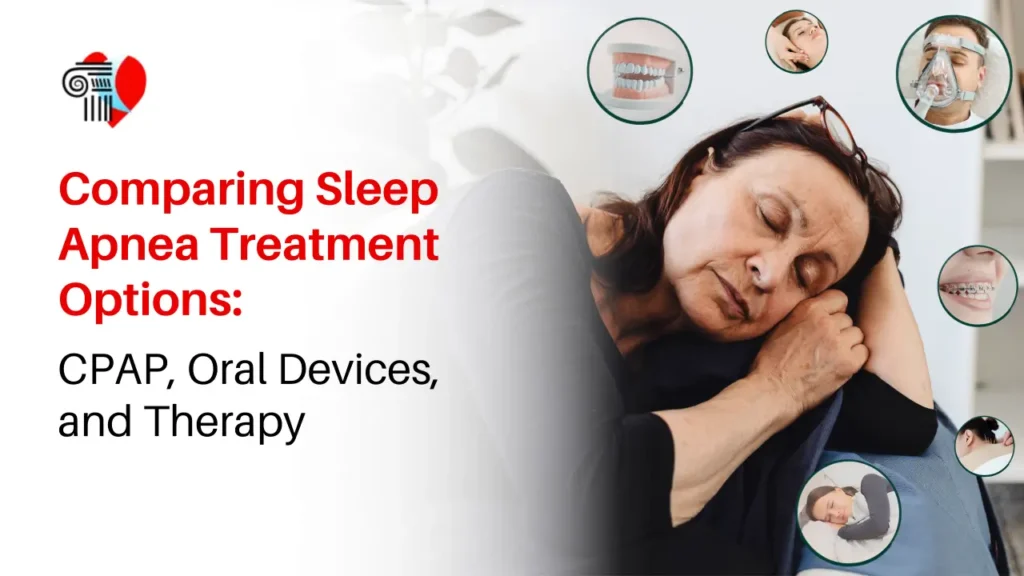
Comparing Sleep Apnea Treatment Options: CPAP, Oral Devices, and Therapy
Comparing Sleep Apnea Treatment Options: CPAP, Oral Devices, and Therapy Sleep apnea is not just a snore. It is a medical condition that interrupts the breathing process while sleeping and may compromise heart efficiency, brain activity, and general well-being. Patients at Athens Sleep and Wellness Center frequently ask this question: What treatment is best for me? This answer depends on the degree of severity, lifestyle, and preferences regarding comfort as well as long-term goals. Knowing CPAP therapy, an oral device, and other treatment options will allow you to choose wisely among them. What Is Sleep Apnea Sleep apnea happens when your breathing stops and starts a lot while you are sleeping. The most usual kind is obstructive sleep apnea, which means that your throat muscles relax and block the airway. Some Common signs include: Very Loud snoring Tiredness during day Morning headaches Difficulty concentrating Broken sleep If it doesn’t get treated, sleep apnea can make you more likely to have high blood pressure or heart disease as well as other metabolic disorders. CPAP Therapy: The Standard Treatment Continuous Positive Airway Pressure, commonly known as CPAP, is considered the most effective and widely used treatment for moderate to severe sleep apnea. How it works A CPAP machine sends a constant stream of air via a mask to keep the airway open during sleep. Benefits Highly effective in preventing airway collapse Improves sleep quality quickly Reduces risk of complications Limitations Some patients find the mask uncomfortable Requires consistent nightly use May take time to adjust For many patients, CPAP remains the gold standard because of its reliability and effectiveness. Oral Appliances: A Comfortable Alternative Oral devices are custom fitted appliances worn during sleep. They work by repositioning the lower jaw to keep the airway open. Who it helps Patients with mild to moderate sleep apnea Individuals who cannot tolerate CPAP Benefits Small and easy to use No machine or noise More travel friendly Limitations May not be effective for severe cases Requires proper fitting and follow up Oral appliances are often preferred by patients looking for a simpler and more comfortable solution. Behavioral and Lifestyle Therapy In many cases, lifestyle changes play an important role in managing sleep apnea. Common approaches include Weight management Sleep position therapy Reducing alcohol intake Improving sleep hygiene These approaches may not replace medical treatment in moderate to severe cases, but they can significantly improve outcomes when combined with other therapies. Combination Therapy: A Personalized Approach Not every patient responds the same way to a single treatment. At Athens Sleep and Wellness Center, care is often tailored using a combination of therapies. For example: CPAP with lifestyle changes Oral appliance with positional therapy Adjusted treatment plans based on patient comfort and response This personalized approach helps improve compliance and long term success. How to Choose the Right Treatment The right treatment depends on several factors: Severity of sleep apnea Patient comfort and preference Medical history Ability to maintain long term use A proper evaluation and sleep study are essential before deciding on treatment. Quick Comparison: Sleep Apnea Treatment Options Swipe left to see full comparison → Feature CPAP Therapy Oral Appliance Lifestyle Therapy Best For Moderate to Severe Apnea Mild to Moderate Apnea Mild Cases / Support Effectiveness Extremely High (Gold Standard) High (with proper fit) Variable / Supplemental Comfort Level Requires adjustment to mask High (like a mouthguard) Non-invasive Portability Requires travel case/power Pocket-sized & silent No equipment needed Main Benefit Immediate sleep improvement No noise or hoses Improves overall health Limitation Compliance can be difficult Not for severe cases Hard to maintain alone Conclusion Sleep apnea is a treatable disease, but it is important to choose the best treatment for you so that you can be healthy in the long run. Though many patients find CPAP to be the most effective treatment, oral devices and lifestyle therapies also serve as good alternatives. The objective is not merely to manage sleep apnea but rather to discover a solution that integrates seamlessly into your lifestyle and promotes adherence. If you are showing symptoms or have already been diagnosed with sleep apnea, expert help can guide you to take the next step toward improved health through better sleep. Frequently Asked Questions Which sleep apnea treatment is most effective CPAP therapy is considered the most effective treatment, especially for moderate to severe sleep apnea. Are oral appliances as effective as CPAP Oral appliances can be effective for mild to moderate cases, but may not work as well for severe sleep apnea. Can lifestyle changes cure sleep apnea Lifestyle changes can improve symptoms, especially in mild cases, but are often used alongside medical treatment. What if I cannot tolerate CPAP If CPAP is uncomfortable, alternatives like oral appliances or combination therapy can be considered. Works cited CPAP Therapy: The Clinical Gold Standard Continuous Positive Airway Pressure, commonly known as CPAP, is recognized by the National Institutes of Health (NIH) as the most effective treatment for moderate to severe obstructive sleep apnea. By delivering a constant stream of air through a mask, it prevents the airway from collapsing—a primary cause of nocturnal oxygen desaturation. While it remains the “gold standard” for its reliability, we focus on helping patients at Athens Sleep and Wellness Center navigate the initial adjustment period to ensure long-term success. Oral Appliances: A Comfortable, Proven Alternative For patients with mild to moderate sleep apnea, or those who struggle with CPAP compliance, custom-fitted oral appliances offer a highly effective solution. According to clinical guidelines from the American Academy of Sleep Medicine (AASM), these devices work by repositioning the lower jaw to maintain an open airway. Research published in the Journal of Clinical Sleep Medicine suggests that while CPAP provides higher pressure support, oral appliances often see better “real-world” results due to significantly higher patient comfort and consistent nightly use.
Comparing Sleep Apnea Treatment Options: CPAP, Oral Devices, and Therapy Read More »